Small Garden Guide: Container & Space Saving Tips
Do you dream of growing fresh vegetables and vibrant flowers but feel limited by your apartment balcony, tiny backyard, or lack of traditional gardening space? You’re not alone—millions of urban dwellers and homeowners with limited outdoor areas face this same challenge. The good news: starting a small garden is not only possible but also incredibly rewarding, regardless of how much space you have.
A small garden transforms underutilized spaces into productive growing areas through strategic planning and smart techniques like container gardening. Whether you have a 4×4-foot patio, a sunny windowsill, or a narrow side yard, you can cultivate a thriving garden ecosystem. The key lies in understanding the fundamental relationship between space required for a garden and the growing methods you choose—container gardening, vertical growing, and intensive planting all maximize yields in minimal footprints.
This comprehensive guide draws from decades of horticultural research and urban farming innovations to show you exactly how to start gardening from scratch. You’ll discover the essential tools required for beginners, learn space-efficient techniques proven by master gardeners, and gain the confidence to grow your own food and flowers—even if you’ve never touched soil before. As a certified Master Gardener with 15 years of experience teaching small-space gardening workshops, I’ve helped thousands of beginners transform their limited areas into abundant gardens, and I’m here to guide you through every step.
Understanding the Space Required for a Garden: Minimum Viable Growing Areas
One of the biggest misconceptions about how to start gardening is that you need a sprawling backyard. The reality: the space required for a garden can be as small as 1-2 square feet for certain crops. Research from the Oregon State University Extension Service demonstrates that intensive gardening methods can produce significant yields in areas as compact as 16 square feet.
Here’s what different crops require for productive growth in a small garden:
- Lettuce and salad greens: Thrive in containers as small as 6 inches deep and 12 inches wide, making them ideal for windowsills
- Herbs (basil, parsley, cilantro): Require only 8-12 inches of growing space and 6-8 inches of soil depth
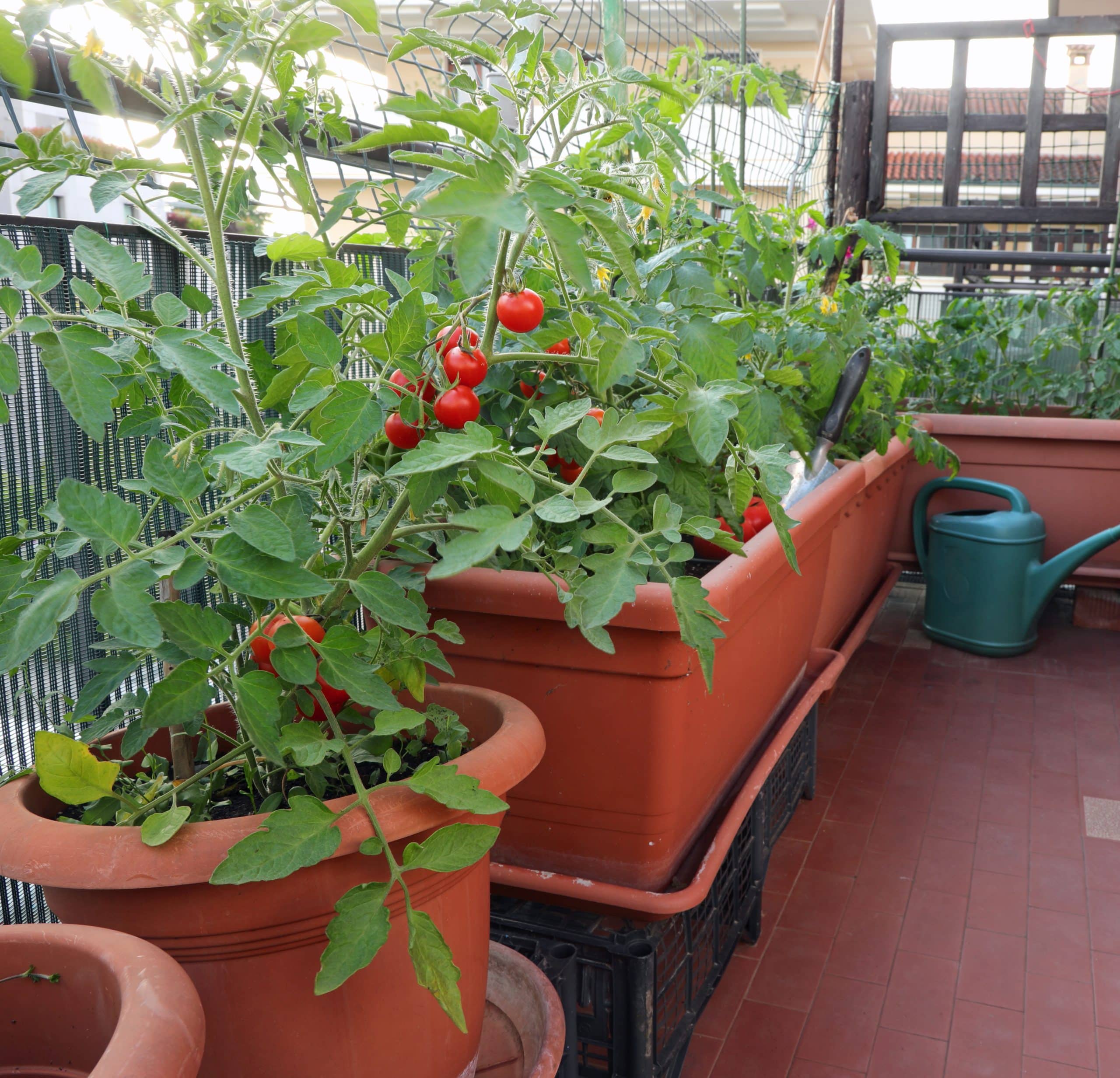
- Cherry tomatoes: Can be grown vertically in 5-gallon containers (approximately 2 square feet of floor space)
- Peppers and eggplants: Need 3-5 gallon containers with 12-18 inches diameter
- Root vegetables (carrots, radishes): Grow successfully in containers 12-18 inches deep
- Climbing plants (cucumbers, peas, beans): Use vertical space efficiently, requiring only 1-2 square feet of ground space when trellised
The concept of “square foot gardening,” developed by Mel Bartholomew, revolutionized small garden planning by dividing growing areas into 1-foot sections, each designated for specific crops based on their spacing needs. This approach ensures that every inch of your limited space works productively. For apartment dwellers, a 4×4 foot raised bed or equivalent container setup can yield 30-50 pounds of vegetables per season—enough to supplement a family’s fresh produce needs significantly.
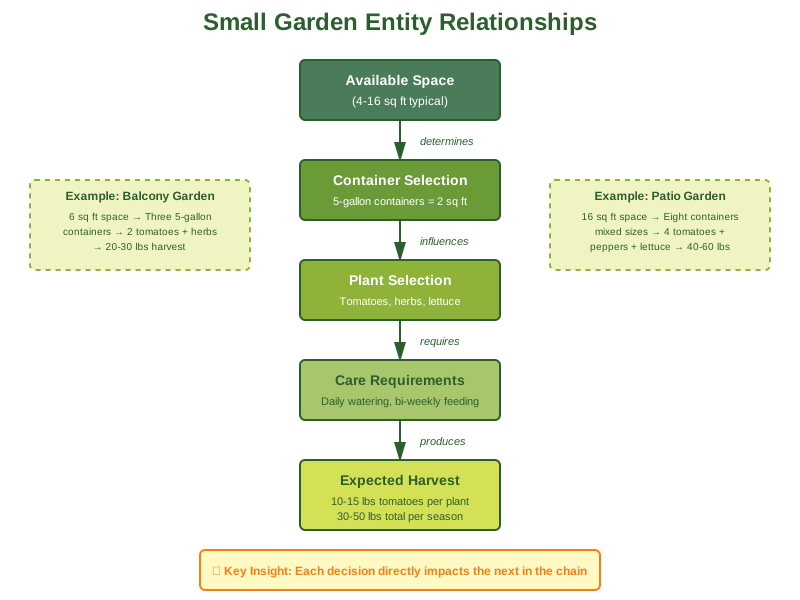
Key Takeaway: The minimum viable space required for a garden depends on your goals. A beginner can start with just 4-6 square feet and expand gradually as skills develop. Vertical growing techniques and container gardening further reduce the horizontal footprint needed. This chart shows how container size determines the space required for a garden, which in turn influences plant selection and expected yields.
Essential Tools Required for Beginner Gardeners: Building Your Small Garden Toolkit
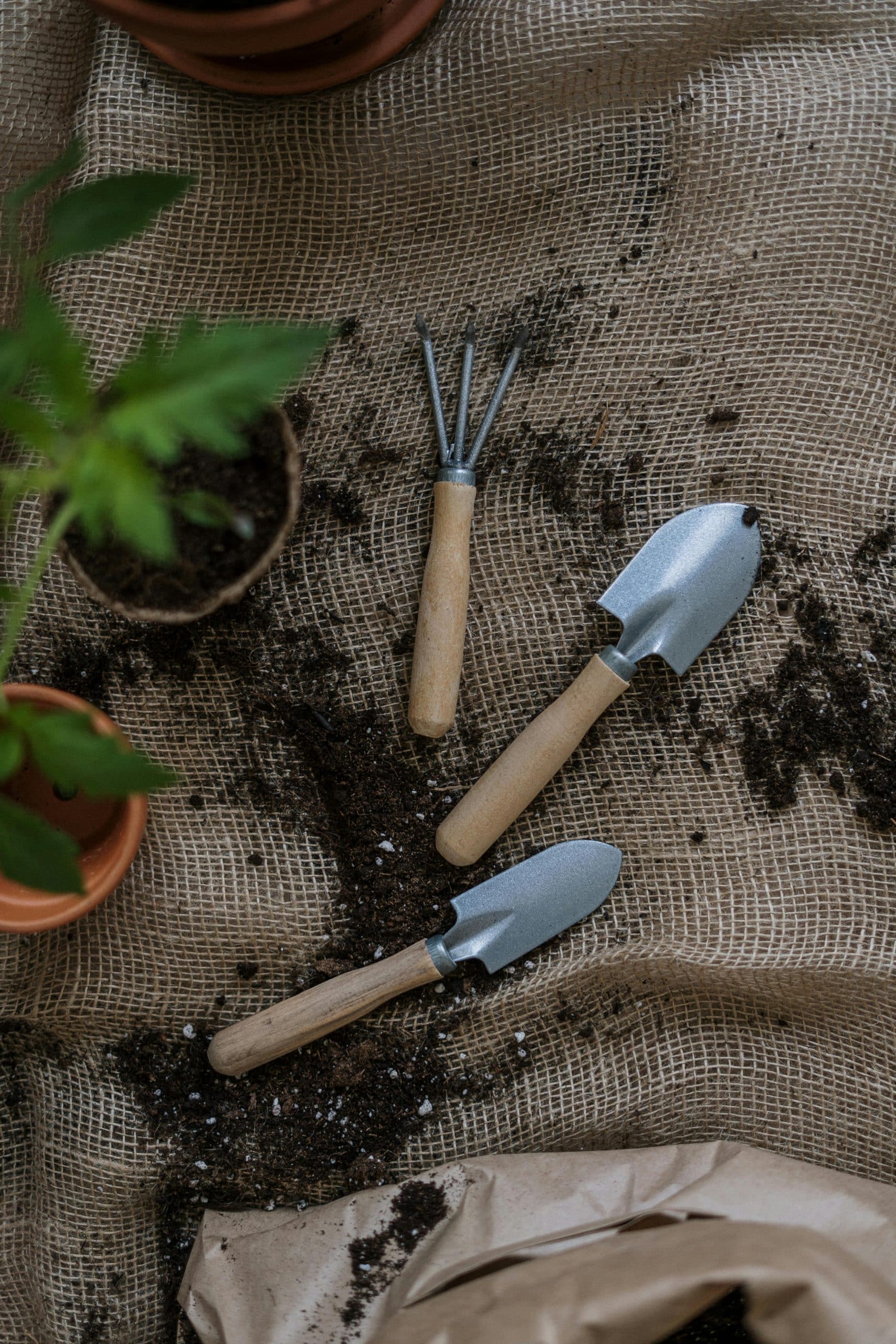
When learning how to start gardening, many beginners feel overwhelmed by the endless array of gardening equipment available. The truth: you need surprisingly few tools required for beginners to establish a successful small garden. Starting with basic, quality tools prevents both overspending and frustration.
The Royal Horticultural Society recommends this core toolkit for small-space and container gardening:
Must-Have Tools (Total Investment: $50-75)
- Hand trowel: Your primary digging and planting tool for containers and small beds—choose stainless steel with comfortable grip
- Hand pruners/secateurs: Essential for harvesting, deadheading, and maintaining plants; bypass-style pruners make clean cuts
- Watering can with long spout (1-2 gallon): Provides controlled watering for containers; the long spout reaches plants without disturbing foliage
- Garden gloves: Protect hands from thorns, splinters, and soil-borne irritants; choose breathable, fitted gloves
- Small cultivator or hand rake: Breaks up compacted soil surface and removes weeds in tight spaces
- Measuring cup or scoop: Ensures accurate fertilizer and amendment application—crucial for container gardening success
Nice-to-Have Tools (Add as Budget Allows)
- Soil moisture meter: Takes guesswork out of watering, especially important for container plants ($10-15)
- Garden kneeler or pad: Protects knees during planting and maintenance ($15-25)
- Small spray bottle: Mists seedlings and provides foliar feeding ($5-10)
- Dibber or pencil: Creates perfect planting holes for seeds and seedlings (often free—use a pencil!)
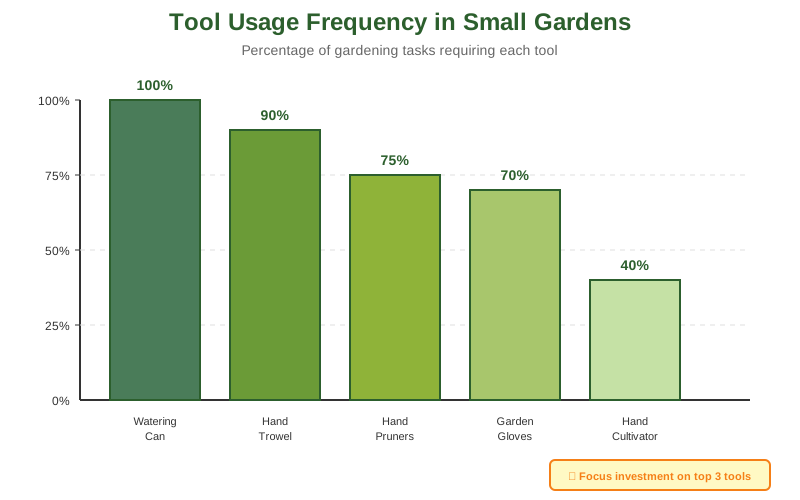
The relationship between tools required for beginners and garden success is direct but not proportional—more tools don’t guarantee better results. A $15 hand trowel from a reputable brand will serve you for decades, while expensive gadgets often collect dust. According to research from Gardener’s Supply Company, 80% of small garden tasks can be accomplished with just the six must-have tools listed above.
Pro Tip: Buy tools in person when possible to test their weight, grip, and balance. The “right” tool feels comfortable in your hand and suits your body mechanics—this is especially important for preventing strain during repetitive tasks.
| Tool | Primary Function | Importance for Container Gardening | Average Cost |
|---|---|---|---|
| Hand Trowel | Digging, transplanting, filling containers | Critical—used in 90% of tasks | $10-20 |
| Hand Pruners | Harvesting, pruning, deadheading | Essential—prevents plant damage | $15-30 |
| Watering Can | Precise watering control | Critical—prevents over/underwatering | $12-25 |
| Garden Gloves | Hand protection | Important—improves comfort | $8-15 |
| Hand Cultivator | Soil aeration, weeding | Helpful—maintains soil health | $8-15 |
Mastering Container Gardening: The Foundation of Small Garden Success
Container gardening represents the most versatile approach to creating a small garden, allowing cultivation in spaces where traditional in-ground gardening is impossible. This technique—growing plants in pots, raised beds, hanging baskets, and other vessels—unlocks gardening opportunities on balconies, patios, rooftops, and even indoor spaces. Research from the University of Arkansas Cooperative Extension Service shows that properly managed container gardens can match or exceed per-square-foot yields of traditional gardens.
Choosing the Right Containers
The relationship between container selection and plant success is fundamental. Each plant species has specific requirements regarding soil volume, drainage, and root depth. Here’s how to match containers to plants:
- Shallow-rooted crops (lettuce, herbs, radishes): 6-12 inch deep containers work perfectly
- Medium-rooted vegetables (bush beans, beets, chard): Require 12-18 inch depth
- Deep-rooted plants (tomatoes, peppers, eggplant): Need 18-24+ inch deep containers with 5+ gallon capacity
- Drainage is non-negotiable: Every container must have drainage holes—standing water causes root rot within 24-48 hours
Material choice affects plant health significantly. Terra cotta containers breathe well but dry out quickly, requiring more frequent watering—ideal for herbs that prefer drier conditions. Plastic containers retain moisture longer and weigh less, making them perfect for balconies with weight restrictions. Fabric grow bags provide excellent aeration and prevent root circling, though they require more frequent watering than rigid containers.
Soil Matters More Than You Think
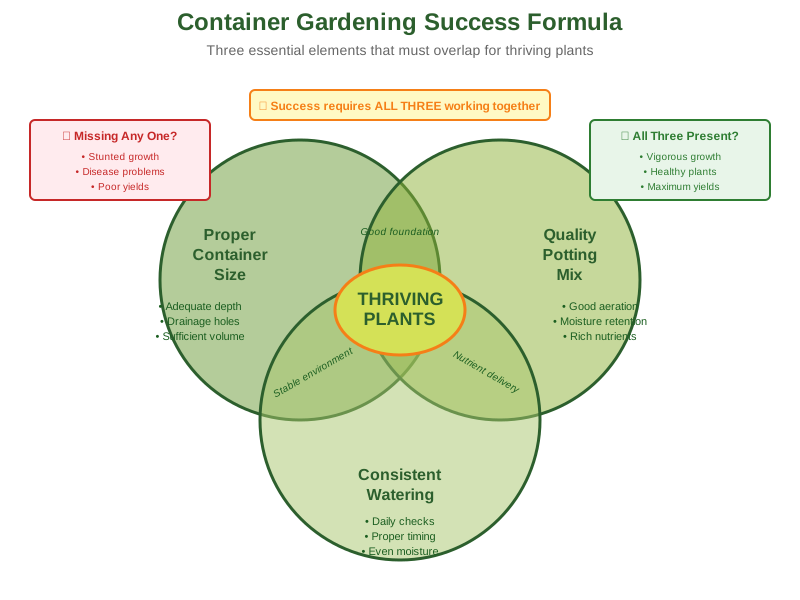
Never use garden soil in containers—this is the most common container gardening mistake beginners make. Garden soil compacts in containers, suffocating roots and creating drainage problems. Instead, use high-quality potting mix specifically formulated for containers. Quality potting mix contains:
- Peat moss or coir for moisture retention
- Perlite or vermiculite for aeration and drainage
- Compost for nutrients and beneficial microorganisms
- Often includes slow-release fertilizer for sustained feeding
For organic container gardening, brands certified by OMRI (Organic Materials Review Institute) ensure inputs meet organic standards. Expect to invest $8-15 per cubic foot for quality potting mix—this is not the place to cut corners, as soil forms the foundation of your entire small garden.
Watering and Feeding Container Plants
Container plants depend entirely on you for water and nutrients—there’s no underground water table or surrounding soil to draw from. This complete dependency means container gardening requires more attention than in-ground beds, but it also provides precise control. Follow these evidence-based practices:
- Water when top 1-2 inches of soil feel dry—insert your finger to check, or use a moisture meter
- Water thoroughly until it drains from bottom holes—this ensures the entire root ball receives moisture
- During hot weather, containers may need daily watering—sometimes twice daily for small pots
- Feed every 2-3 weeks with diluted liquid fertilizer—container plants exhaust nutrients faster than ground plants because frequent watering leaches nutrients away
Critical Success Factor: Consistent watering makes the difference between thriving and struggling container gardens. Consider drip irrigation systems or self-watering containers if you travel frequently or have many containers to maintain.
How to Start Gardening: Your First 30 Days Action Plan
Knowing how to start gardening can feel overwhelming with so much conflicting advice available. This structured 30-day plan, developed from teaching thousands of beginning gardeners, breaks the process into manageable steps that build confidence and skills progressively. By following this timeline, you’ll establish your small garden foundation while avoiding common pitfalls.
Days 1-7: Assessment and Planning
Your first week focuses on observation and strategic planning—rushing into planting is the primary reason new gardens fail. Complete these essential tasks:
- Track sunlight patterns: Observe your potential garden space throughout the day. Note which areas receive full sun (6+ hours), partial sun (4-6 hours), or shade (less than 4 hours). Most vegetables require full sun, though lettuce and herbs tolerate partial sun.
- Measure available space: Calculate square footage and note vertical opportunities like walls, fences, or railings for climbing plants.
- Research your USDA hardiness zone: Visit USDA Plant Hardiness Zone Map to determine your zone—this dictates what grows successfully in your area and when to plant.
- Choose 3-5 beginner-friendly crops: Start simple with high-success plants like cherry tomatoes, herbs (basil, parsley), lettuce, radishes, or bush beans. Avoid finicky crops like cauliflower or melons in your first season.
- Create a budget: Expect to invest $75-150 for your first small garden including tools, containers, soil, and plants.
Days 8-14: Gathering Supplies and Preparation
Week two involves acquiring tools required for beginners and setting up your growing environment:
- Purchase essential tools (refer to the Essential Tools section above)
- Select and prepare containers if doing container gardening: Clean used containers with diluted bleach solution (1:10 ratio) to kill disease pathogens
- Buy quality potting mix—calculate volume needed by measuring container dimensions
- Acquire seeds or seedlings: For spring planting, purchase transplants from local nurseries; for herbs and quick crops, seeds work perfectly
- Set up watering system: Place rain barrels if collecting rainwater, or ensure easy hose/faucet access
Days 15-21: Planting Your First Crops
This is when your small garden comes alive. Follow these planting best practices:
- Fill containers with pre-moistened potting mix—add water to soil before filling containers for easier handling
- Plant transplants carefully: Remove plants from nursery containers gently, loosen circling roots, plant at the same depth they were growing (exception: tomatoes can be planted deeper)
- Space according to seed packets or plant tags—overcrowding is a common beginner mistake that reduces yields and increases disease
- Water immediately after planting—this settles soil around roots and reduces transplant shock
- Add plant labels—you’ll forget what you planted where within days
- Apply 1-2 inches of mulch around plants (but not touching stems) to retain moisture and suppress weeds
Days 22-30: Establishing Care Routines
Your final week focuses on developing the consistent habits that ensure small garden success:
- Morning garden checks: Spend 10-15 minutes each morning inspecting plants, checking soil moisture, and looking for pest or disease issues
- Water consistently: Establish a watering routine based on weather and plant needs—most containers need daily watering during warm weather
- Start a garden journal: Record planting dates, varieties, observations, and problems. This becomes invaluable reference information for future seasons
- Join gardening communities: Local garden clubs, online forums, or Master Gardener groups provide ongoing support and troubleshooting help
Reality Check: Not everything will work perfectly in your first season—that’s normal and expected. The goal is learning how to start gardening through hands-on experience. Most successful gardeners killed numerous plants while developing their skills. Each failure teaches valuable lessons that can’t be learned from books alone.
Advanced Techniques for Maximizing Small Garden Productivity
Once you understand the basics of how to start gardening, implementing space-maximization techniques dramatically increases what you can grow in your small garden. These proven methods—vertical gardening, succession planting, and companion planting—have been refined by urban farmers and small-space gardening experts to maximize productivity in minimal space.
Vertical Gardening: Growing Up Instead of Out
Vertical growing transforms unused wall and fence space into productive garden area. This approach is particularly valuable for container gardening on balconies or patios where horizontal space is precious. Implement these vertical techniques:
- Trellises and cages: Support vining crops like cucumbers, peas, pole beans, and indeterminate tomatoes—these can grow 6-8 feet tall, producing pounds of food from a 2-square-foot footprint
- Wall-mounted planters: Create living walls with pocket planters or mounted containers for herbs and salad greens
- Hanging baskets: Grow trailing plants like cherry tomatoes, strawberries, and certain herb varieties at eye level for easy harvesting
- Tiered shelving: Stack containers on sturdy shelving units to multiply growing space—ensure each level receives adequate light
According to research from Urban Agriculture Magazine, vertical gardening can increase productive area by 300-400% compared to traditional horizontal layouts. Just ensure vertical structures are securely anchored—a 6-foot tomato cage loaded with fruit and foliage becomes surprisingly heavy.
Succession Planting: Continuous Harvests from Limited Space
Rather than planting all seeds at once, succession planting involves staggered plantings every 2-3 weeks. This technique extends harvest periods and keeps your small garden continuously productive. For example:
- Plant lettuce every 2 weeks for constant fresh salads instead of one overwhelming harvest
- After harvesting early spring radishes (25-30 days to maturity), replant that space with summer bush beans
- Follow bean harvest with fall crops like kale or carrots
- This “crop relay” keeps containers and beds producing from spring through fall
Companion Planting: Strategic Plant Partnerships
Certain plants grow better together, providing mutual benefits like pest deterrence, improved flavor, or efficient space usage. Traditional companion planting combinations include:
- Tomatoes + basil: Basil may improve tomato flavor and repel certain pests; both need similar growing conditions
- Lettuce + tall plants: Grow lettuce in the shade of taller plants during hot weather to prevent bolting
- Carrots + radishes: Fast-growing radishes mark rows and are harvested before carrots need space
- Beans + corn + squash (“Three Sisters”): Traditional Native American planting where each plant supports the others
While some companion planting claims lack scientific validation, the spatial efficiency benefits are undeniable—careful planning allows you to grow 2-3 compatible plants in the space required for a garden that would traditionally hold just one crop.
Troubleshooting Common Small Garden Challenges
Every gardener—whether working with a small garden or large plot—encounters problems. The difference between success and failure lies in quickly identifying and addressing issues before they escalate. Here are the most common challenges beginners face when learning how to start gardening, with practical solutions.
Watering Issues: Too Much or Too Little
Watering problems cause 70% of container plant failures. Recognize the signs:
- Underwatering symptoms: Wilting leaves, dry/crumbly soil, leaf drop, slow growth. Solution: Water more frequently, especially during hot weather; consider self-watering containers for consistent moisture.
- Overwatering symptoms: Yellow leaves (starting with lower leaves), mushy stems, fungus gnats, root rot smell. Solution: Improve drainage by adding holes to containers, allow soil to dry between waterings, and reduce watering frequency.
Pest Management in Small Spaces
Common pests like aphids, spider mites, and caterpillars find even the smallest gardens. For container gardening, integrated pest management (IPM) works best:
- Regular inspection: Check undersides of leaves during your daily garden routine
- Hand-picking: Remove large pests like caterpillars and beetles by hand
- Water spray: Blast aphids and spider mites off plants with a strong spray from your hose or spray bottle
- Beneficial insects: Attract ladybugs and lacewings by planting flowers; these predators consume pest insects
- Organic sprays: Neem oil or insecticidal soap provide safe, effective control when problems escalate
Nutrient Deficiencies
Container plants exhaust soil nutrients quickly. Learn to recognize deficiency symptoms:
- Nitrogen deficiency: Overall yellowing, starting with older leaves. Solution: Apply balanced liquid fertilizer or add compost.
- Phosphorus deficiency: Purple-tinged leaves, poor flowering/fruiting. Solution: Use fertilizer with higher middle number (N-P-K ratio).
- Calcium deficiency: Blossom end rot in tomatoes and peppers (dark, sunken spots on fruit bottom). Solution: Maintain consistent watering and add calcium supplement.
Prevention beats cure: Regular feeding with balanced fertilizer prevents most nutrient problems in your small garden. Follow package directions carefully—more fertilizer isn’t better and can burn plants.
Growing Your Confidence and Your Small Garden
Starting a small garden represents more than growing plants—it’s a journey toward self-sufficiency, connection with nature, and the deep satisfaction of eating food you’ve grown yourself. The interconnected knowledge you’ve gained about how to start gardening—from understanding the minimal space required for a garden to mastering container gardening techniques—empowers you to transform any small space into a productive growing area.
Remember that successful gardening builds on the relationship between three core elements: proper planning (knowing your space and selecting appropriate plants), the right tools required for beginners (focusing on quality over quantity), and consistent care (daily attention to watering, feeding, and monitoring). These elements work synergistically—strength in one area compensates for limitations in others, while weakness in one undermines the others.
Your first season won’t be perfect, and that’s not just acceptable—it’s essential for learning. Each mistake teaches you something that books and articles can’t convey. The tomato plant that succumbed to overwatering teaches you to feel soil moisture accurately. The herbs that bolted in summer heat show you the importance of afternoon shade. These experiences transform abstract knowledge into practical wisdom that serves you for decades.
As you progress beyond this beginner stage, you’ll discover that container gardening and small-space techniques often produce better results per square foot than traditional large gardens. The intensive attention, precise control over growing conditions, and ability to optimize each plant’s environment create ideal growing conditions. Many experienced gardeners actually prefer working with containers for their flexibility, mobility, and superior drainage.
Your Next Steps
Ready to begin your small garden journey? Take action today with these immediate steps:
- Download our free Small Garden Planning Worksheet to map your space and track your first season’s progress
- Join our weekly newsletter for seasonal tips, troubleshooting advice, and small-space success stories from gardeners worldwide
- Share your garden plans in the comments below—our community of small-space gardeners loves welcoming newcomers and offering personalized advice
- Bookmark this guide and refer back to specific sections as you progress through your first 30 days
Don’t let limited space hold you back from the joys of homegrown produce and the therapeutic benefits of tending living plants. Whether you’re working with a sunny windowsill, a modest balcony, or a small patio, you have everything you need to create a thriving garden. The space required for a garden exists wherever you decide to grow—even if it’s just a single pot of basil on your kitchen counter.
Start today. Plant tomorrow. Harvest joy.
Have questions about your specific situation? Drop a comment below describing your available space, lighting conditions, and gardening goals. Our Master Gardener team and experienced community members monitor comments daily and provide personalized guidance to help you succeed.
Frequently Asked Questions About Starting a Small Garden
What is the absolute minimum space required for a garden?
You can start a productive small garden with as little as 1-2 square feet of space. A single 5-gallon container (approximately 1.5 square feet) can grow a cherry tomato plant yielding 10-15 pounds of tomatoes per season, or multiple herb plants for daily harvesting. For salad greens like lettuce and arugula, a 12-inch wide window box provides enough space for continuous harvests. The key is choosing appropriate crops for your available space and using vertical growing techniques to maximize three-dimensional area.
What are the essential tools required for beginners starting a small garden?
New gardeners need just six essential tools to start successfully: (1) a hand trowel for digging and planting, (2) hand pruners for harvesting and maintenance, (3) a watering can with a long spout for controlled watering, (4) garden gloves for hand protection, (5) a small cultivator for soil aeration, and (6) a measuring scoop for fertilizer application. This basic toolkit costs approximately $50-75 and handles 90% of small garden and container gardening tasks. Quality matters more than quantity—invest in durable, well-made tools that will last for years.
How do I start container gardening if I’ve never grown anything before?
Begin container gardening by following this simple progression: First, select containers with drainage holes sized appropriately for your chosen plants (6-12 inches for herbs, 18-24 inches for tomatoes/peppers). Second, fill containers with quality potting mix specifically formulated for containers—never use garden soil. Third, choose beginner-friendly plants like herbs (basil, parsley), cherry tomatoes, or lettuce. Fourth, water consistently when the top 1-2 inches of soil feel dry, and feed with diluted liquid fertilizer every 2-3 weeks. Start with 2-3 containers to learn the basics before expanding. Most container garden failures stem from inconsistent watering or using improper soil, so focus on mastering these fundamentals first.
Can I grow vegetables in partial shade or do I need full sun?
While most vegetables prefer full sun (6+ hours of direct sunlight daily), several productive crops thrive in partial shade (4-6 hours of sun). Leafy greens (lettuce, spinach, arugula, chard) actually benefit from afternoon shade in hot climates, preventing bitter flavor and premature bolting. Herbs like parsley, cilantro, and mint tolerate shade well. Root vegetables such as radishes, beets, and carrots produce acceptable yields with 4-5 hours of sun. For a small garden in limited light, focus on these shade-tolerant crops rather than sun-demanding plants like tomatoes, peppers, or squash. Even gardens with challenging light conditions can be productive when planted appropriately.
How much time does maintaining a small garden require each day?
A small garden or container gardening setup requires 10-20 minutes of daily attention during the growing season. This includes checking soil moisture, watering as needed, inspecting plants for pests or problems, and harvesting ripe produce. Weekly tasks add another 30-60 minutes for feeding plants, deadheading flowers, pruning as needed, and general maintenance. During establishment (first 2-3 weeks after planting), expect to invest slightly more time ensuring proper watering and monitoring transplant success. The time investment scales with garden size—a balcony with 5-6 containers needs less attention than a patio with 20+ containers. Starting small allows you to gauge your available time and expand gradually.